

Investing in technology tools for electric field construction will lead to immediate benefits
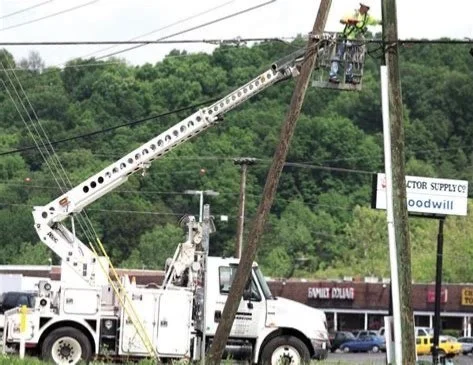
Tools Are Rapidly Expanding — Leading to Greater Efficiencies
In earlier parts of this series, we explored these critical topics:
- How subpar work order processes can negatively impact the financial stability and asset renewal of electric co-ops or utilities.
- How the insufficient use of regulatory accounting is actually detrimental to the ratemaking process.
- A lack of regular rate increases jeopardizes financial results, bond ratings, and strategy implementation.
Now, we discuss the use of technology in utilities and that, while technology is not a panacea, it can significantly enhance your processes.
Build a solid foundation in FERC accounting with our FERC Accounting 101 course.
View FERC Accounting 101 >Technology in the Electric Industry
The move towards the use of technology and digitalization in the electric industry is uneven and not always dependent on the size of the cooperative or utility.
Investor-owned utilities may have difficulty in fully recovering rates and so may keep capital budgets tight on technology. I've worked with smaller utilities that have the latest in technology, and larger utilities that still have extensive manual systems — some of which work well, and some not.
The use of field technology is expanding rapidly.
Utility crews in the field increasingly rely on advanced technology tools to enhance their efficiency, safety, and accuracy. Some of these technology tools include:
- GIS (Geographic Information Systems) to map fixed assets, and plan maintenance and repairs.
- Mobile devices and apps — smartphones, tablets, and specialized apps for work order management and interfaces with ERP (Enterprise Resource Planning) systems such as materials management for data inquiry and entry, and project planning.
- Drones for aerial inspections of power lines and substations, especially in hard-to-reach areas.
- Augmented Reality (AR) Glasses that provide hands-free access to schematics, work orders, and real-time data overlays while working on equipment.
- Thermal Imaging Cameras that detect heat anomalies in electric equipment.
- Wearable technology such as smart helmets and vests equipped with sensors to monitor worker safety and environmental conditions.
- Satellite Communications for reliable communications in remote areas.
That is quite a list. Do some utilities have all of these tools? I doubt it. But, this brief, incomplete summary shows what the possibilities are — and perhaps your holiday shopping list.
The Investment in Technology Can Be Beneficial in Many Areas
These technology tools enable utility crews to perform their tasks more effectively, reduce downtime, enhance safety, and provide better service to customers. But, where should budget dollars be focused?
Have a list of the possibilities and hold detailed conversations with crews to find out their immediate needs. Allow vendors to provide demonstrations of some of the latest tools. Make a wish list, then develop a long-term plan to finance that list. By long-term, I mean no more than five years. The technology is rapidly changing and there will be other tools available over that same timeframe that may change the list.
Lack of Budgeting for Technology Runs Counter to Implementing Strategy
Budgeting for technology can also greatly address efficiency in operations. As it is difficult to train and retain lineworkers, greater use of technology can help alleviate worker shortages, as more is done with the tools. You will still need robust crews for physical construction, but streamlining other areas, such as evaluating areas for maintenance, can free and reallocate time.
Next: Investing in new technology for the finance office.
How I Can Assist
If you are looking to enhance your processes in these areas, I can help. Feel free to contact me with any questions, or we can schedule an appointment to discuss your improvement needs in more detail.
Thank you for reading this article. Please send me any suggestions for other topics. I am always looking for ways to address current issues and serve as a resource for utilities and electric cooperatives.
The material in this article is for informational purposes only and should not be taken as legal or accounting advice provided by Utility Accounting & Rates Specialists, LLC. You should seek formal advice on this topic from your accounting or legal advisor.